Distilled vs RO/DI Water for Aquariums: An Honest Answer
Straight answer, even though we sell distillers: if you run a serious reef tank, use RO/DI water. If you keep freshwater tanks or need top-off water for a small system, distilled water works beautifully. Here's the honest breakdown MY/SG aquarists actually need — volumes, costs and chemistry, with no product-pushing.
Why is pure water the starting point for aquariums at all?
Because you want to control what's in the tank — and tap water arrives pre-loaded. Chlorine/chloramine, phosphates, silicates and copper traces all cause problems, from algae blooms to invertebrate stress. Starting from ~0 TDS water (distilled or RO/DI) and adding back exactly what your livestock needs — reef salt, remineraliser — gives you a known baseline. This is standard practice in the hobby.
Distilled vs RO/DI: the honest comparison for aquarists
| RO/DI | Distilled | |
|---|---|---|
| Purity | ≈0 ppm (with DI stage) | 0–3 ppm |
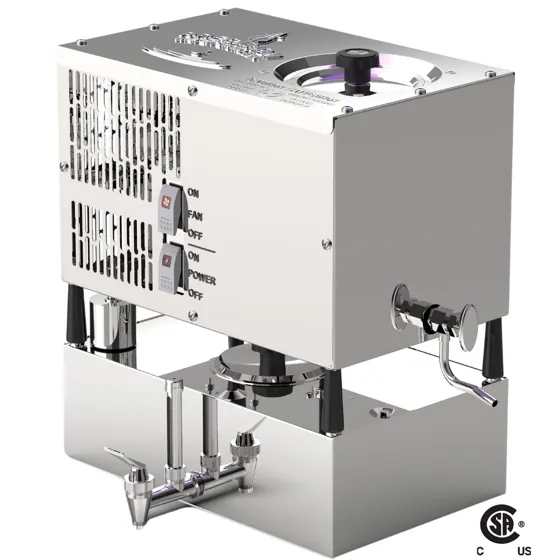
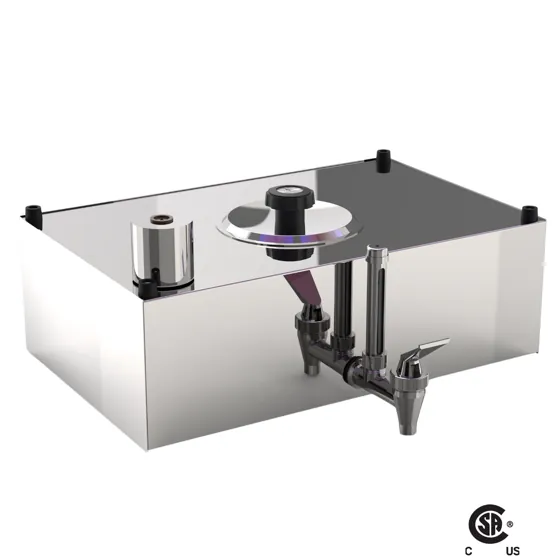
| Production style | On-demand from tap, high volume | Batch production, ~1.2–1.9 L/hour |
| Best for | Reef systems, large freshwater setups, heavy water-change schedules | Small tanks, top-offs, hospital/quarantine tanks, households that already distil |
| Running cost | Low per litre; membranes + resin to replace | Electricity ≈RM0.23–0.30/L; no membranes |
| Waste water | 2–4 L per litre produced | None |
The verdict is volume-driven. A reef tank consuming 100+ litres monthly wants RO/DI's on-demand flow. A betta keeper, shrimp breeder or someone topping off a 60-litre tank — especially a household that already owns a distiller for drinking or CPAP water — is perfectly served by distilled.
What we actually sell aquarists
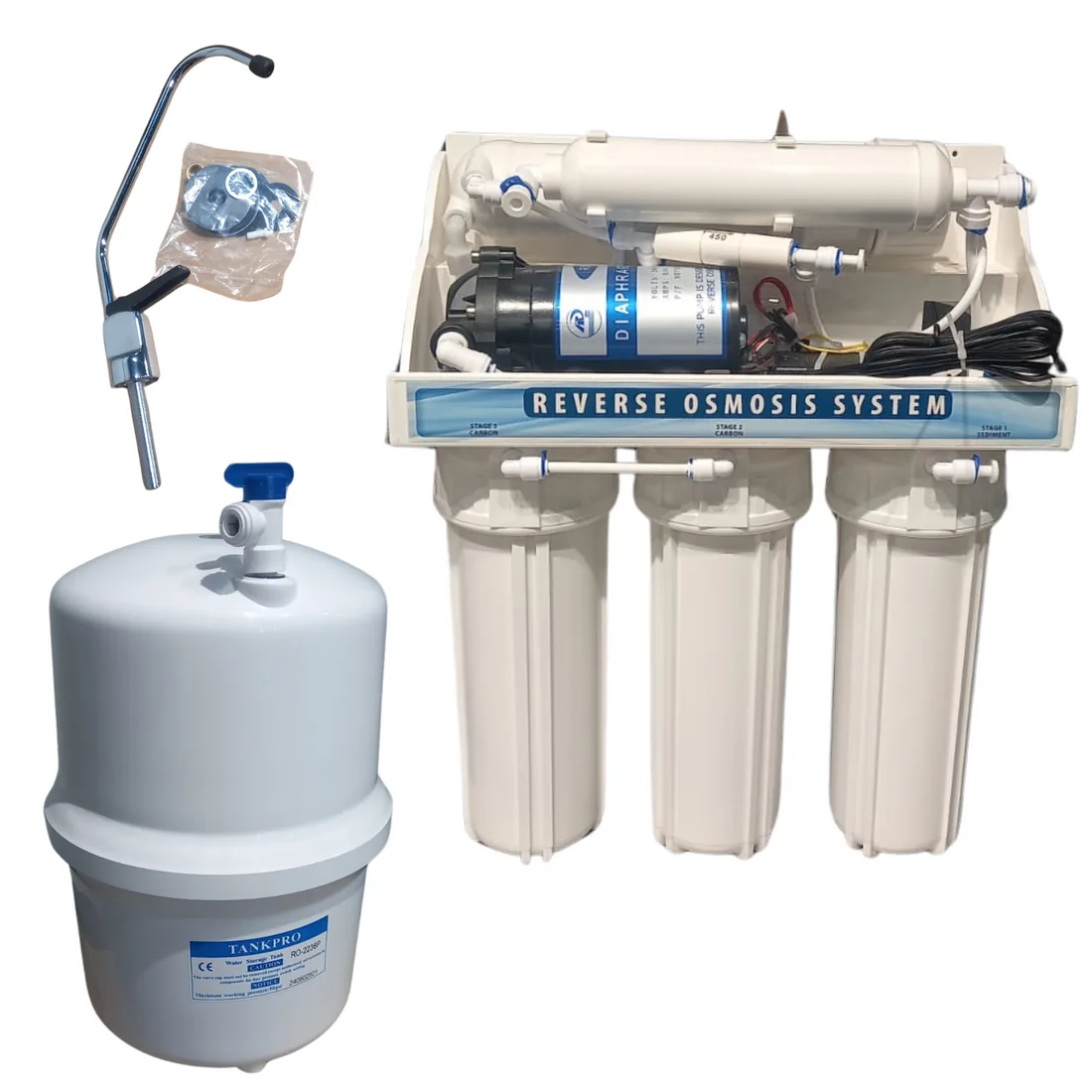
- For dedicated aquarium volume: our reverse osmosis systems — the right tool for reef-scale water production.
- For households where the aquarium is one of several pure-water uses: a home distiller covers drinking, CPAP, appliances and tank top-offs from one machine.
- For verification either way: a TDS meter — reef keepers should see ≈0 ppm from their RO/DI, and our TDS guide covers what every reading means.
Tell us about your tank
Reef or freshwater, litres per month — we'll recommend RO/DI or distilled honestly, with pricing.
Ask on WhatsAppFrequently asked questions
Can I use distilled water in my aquarium?
Yes, for freshwater top-offs and small tanks — distilled water at 0–3 ppm TDS is pure and safe once remineralised appropriately for your livestock. For large reef systems, RO/DI is the practical standard because of volume economics: reef tanks consume tens of litres weekly, which favours an on-demand RO/DI unit.
Why do reef keepers prefer RO/DI over distilled?
Volume and workflow. A reef system's evaporation top-off and water changes can require 50–200+ litres a month; RO/DI produces this on demand from the tap at low running cost, and reef salt mixes are formulated for zero-TDS RO/DI water. Distillation produces equally pure water but more slowly, which suits smaller volumes.
Should I remineralise pure water before adding fish?
Yes. Whether distilled or RO/DI, water at near-zero TDS lacks the hardness and buffering fish need. Freshwater keepers remineralise or blend with treated tap water; marine keepers add reef salt mix. Never put livestock directly into pure water.