How to Test Water Purity with a TDS Meter (and What MY/SG Readings Mean)
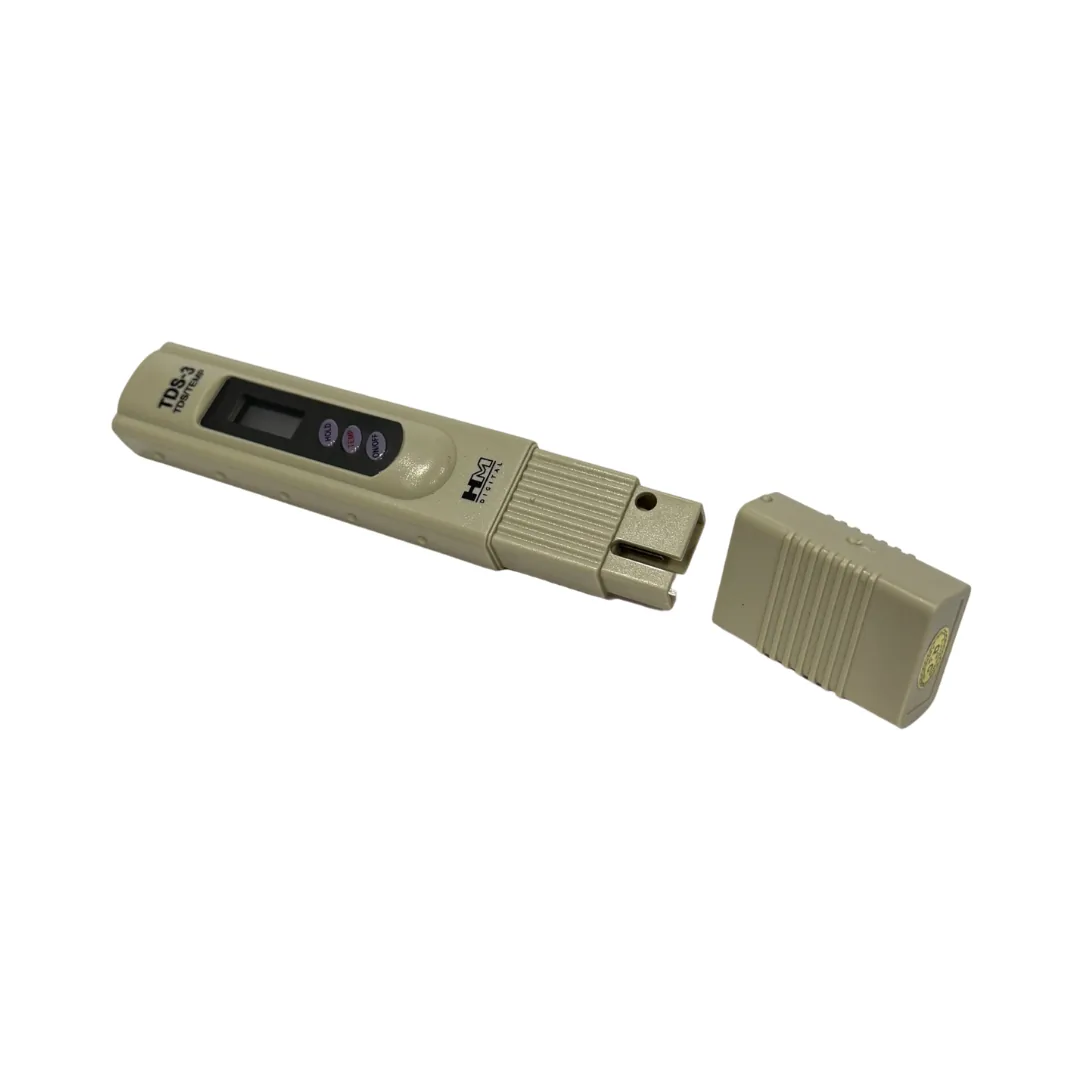
A TDS meter gives you one number in five seconds: how much dissolved 'stuff' is in your water, in parts per million. It's the cheapest piece of water-quality instrumentation you can own, and it's the reason distiller owners never have to take purity on faith. Here's how to use one, and what readings to expect across Malaysia and Singapore.
How do you use a TDS meter?
- Remove the cap and switch the meter on.
- Dip the electrodes 2–3 cm into the water sample.
- Stir gently, wait for the reading to stabilise (a few seconds).
- Read the number — that's your TDS in ppm (mg/L).
That's the entire skill. A pocket TDS meter costs about the same as two bottles of bulk distilled water.
What readings should you expect in Malaysia and Singapore?
| Water type | Typical TDS | What it means |
|---|---|---|
| Distilled water (working distiller) | Record your own unit's baseline | The manufacturer's manuals state: “Removal efficiencies of 99% or greater were achieved for almost every chemical tested.” |
| RO water (fresh membrane) | 10–50 ppm | Very good; rises silently as the membrane ages |
| Urban MY tap water | 30–150+ ppm | Varies by state, season and pipe condition |
| Singapore PUB tap water | Tightly controlled, mineralised | Excellent municipal water — still not appliance-grade |
| Mineral / bottled water | 80–300+ ppm | Minerals are the selling point — bad for appliances |
What TDS can and cannot tell you
Can: verify a distiller or RO system is actually working; catch a failing RO membrane (creeping numbers); confirm water is appliance-safe for CPAP, autoclaves, batteries and steam irons.
Cannot: detect bacteria, viruses or specific chemicals — it's a purity screen, not a lab analysis. For the health science of low-mineral water, read Is Distilled Water Safe to Drink?
The weekly 5-second habit for distiller owners
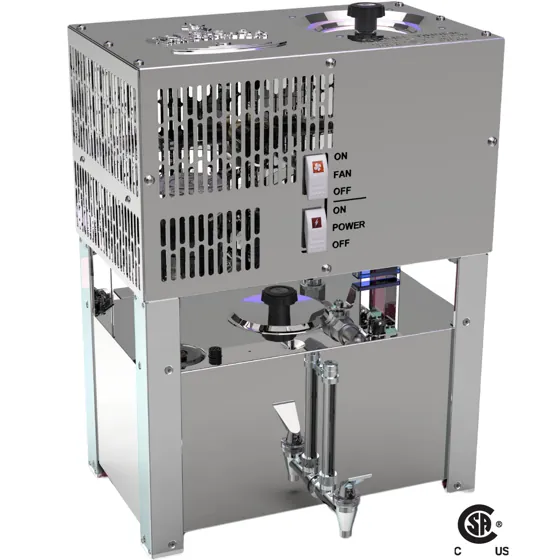
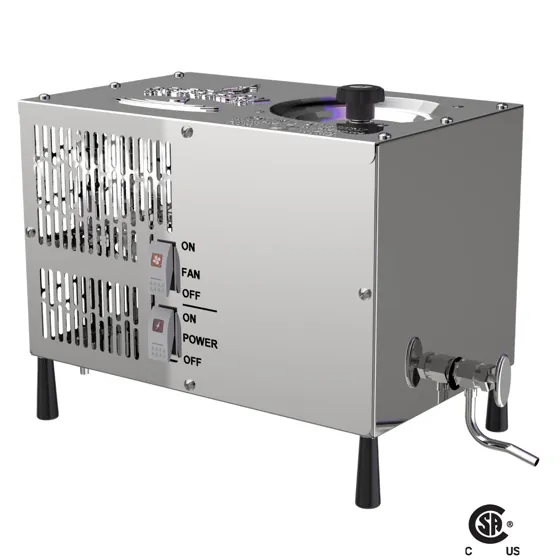
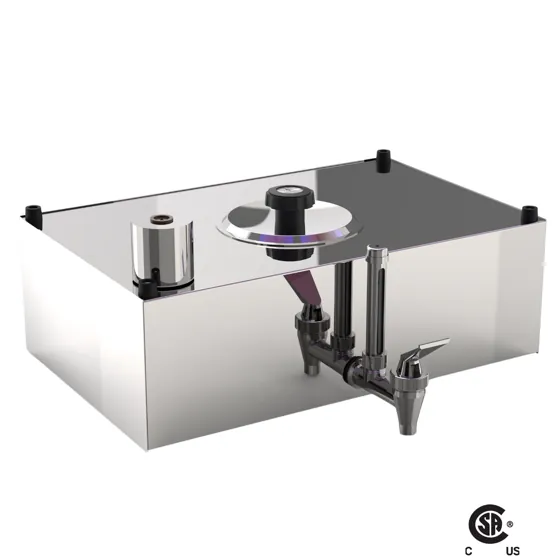
Dip the meter in your distiller's output once a week. Note the reading when the tank is freshly descaled and the charcoal sachet is new: that is your baseline. Unlike an RO membrane, distillation has no purity decay mechanism, so if the reading creeps up, the usual cause is a spent charcoal sachet or a tank due for descaling — both five-minute fixes.
This is also the honest sales pitch for distillation itself: we sell machines whose performance you can audit yourself, weekly, with a RM30 meter. Compare that with any filter cartridge you're asked to trust on schedule alone — or see the full distilled vs RO comparison.
Get a TDS meter with your distiller
We include purity verification in every recommendation — ask us about bundling a TDS meter with any unit.
Chat on WhatsAppFrequently asked questions
What is a good TDS reading for drinking water?
There is no single 'good' number for health — WHO treats TDS mainly as a taste/aesthetic parameter. What TDS tells you is how much is dissolved in the water: MY/SG tap water commonly reads 30–150+ ppm; for distillation, the manufacturer's manuals state: “Removal efficiencies of 99% or greater were achieved for almost every chemical tested.” For appliances like CPAP machines, autoclaves and batteries, lower is strictly better, which is why they specify distilled water.
What TDS is Malaysian tap water?
It varies by state and treatment plant, commonly in the 30–150 ppm range in urban areas and higher after heavy rain or pipe disturbances. Singapore PUB water is typically well controlled but still carries dissolved minerals — which is exactly what a TDS meter shows and a distiller removes.
Does a low TDS mean water is safe?
Not by itself — TDS measures dissolved solids, not bacteria or specific chemicals. A TDS meter is a purity check, not a full lab test. Its real power is verification: comparing your distiller's output with your tap water shows the machine is removing what is dissolved in it. The manufacturer's manuals state: “Removal efficiencies of 99% or greater were achieved for almost every chemical tested.”