Distilled Water vs RO Water: Which Should Malaysians Choose in 2026?
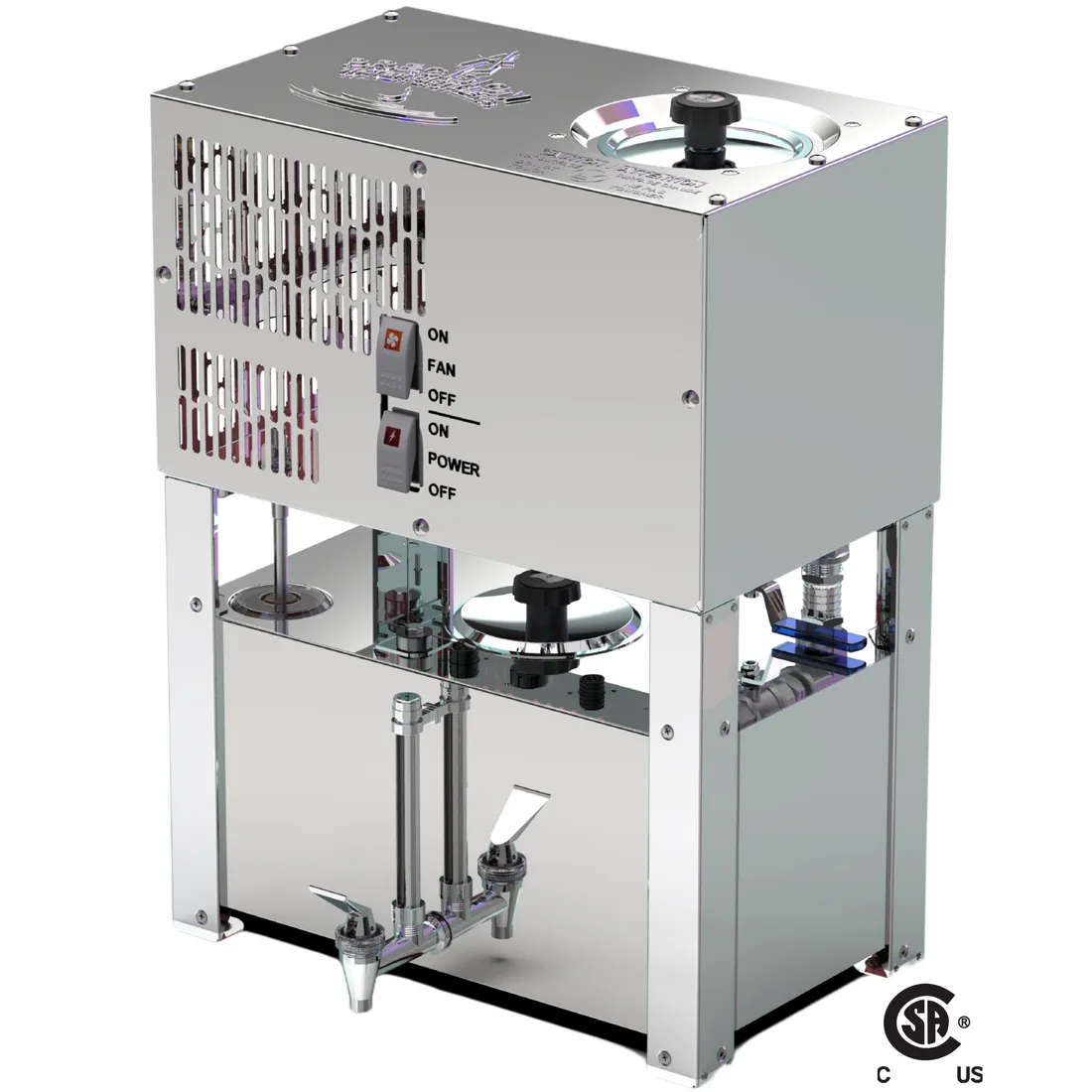
If you are choosing between a water distiller and a reverse osmosis (RO) system in Malaysia or Singapore, here is the short answer: distillation produces purer water, more consistently, with zero waste water — while RO is faster at the tap and uses less electricity. Which one is right depends on what you value most. This guide compares both honestly, because we sell both.
How does each technology actually work?
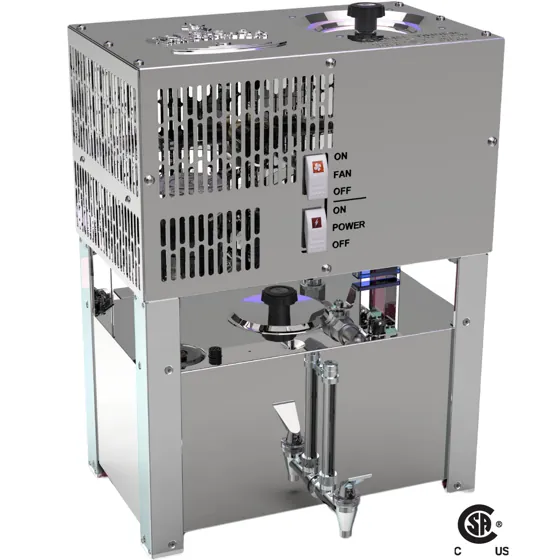
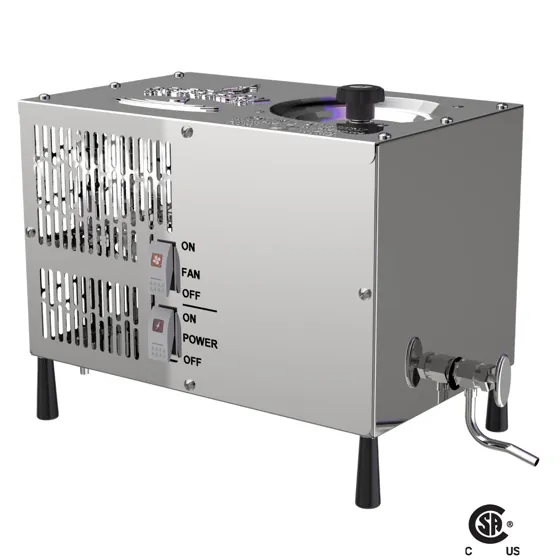
Distillation copies nature's rain cycle. The unit boils tap water into steam, leaves bacteria, viruses, heavy metals, fluoride and dissolved solids behind in the boiling tank, then condenses the steam back into liquid. The manufacturer's manuals state: “Removal efficiencies of 99% or greater were achieved for almost every chemical tested.”
Reverse osmosis pushes water through a membrane. Mains pressure forces water through a semi-permeable membrane whose pores block most dissolved solids. Good RO systems remove 90–98% of contaminants, producing water around 10–50 ppm TDS — excellent, but not absolute, and the rejection rate falls as the membrane ages.
Distilled vs RO water: side-by-side comparison
| Water distiller | Reverse osmosis | |
|---|---|---|
| Typical purity | Consistent for the life of the unit (the manufacturer's manuals state: “Removal efficiencies of 99% or greater were achieved for almost every chemical tested.”) | Degrades as membrane ages |
| Removes bacteria & viruses | Yes — killed by boiling and left behind | Mostly — depends on membrane integrity |
| Waste water | Essentially none | 2–4 litres wasted per litre produced |
| Speed | Slow — around 1.2–1.9 L per hour (works overnight into a reserve tank) | On-demand at the tap |
| Electricity | ≈3–4 kWh per 4 L batch | Minimal (booster pump only) |
| Recurring costs | Charcoal sachets + descaler (low cost) | Membrane + 3–4 cartridges per year |
| Installation | None — countertop, plug in and go | Under-sink plumbing required |
| Fit for CPAP / autoclave / battery use | Yes — leaves no mineral scale | Not recommended — residual minerals cause scale |
Why does purity consistency matter in Malaysia and Singapore?
Because you cannot see a failing RO membrane. Malaysian tap water TDS varies widely by area and season — after heavy rain or pipe works, spikes in sediment and dissolved solids load the membrane harder. An RO system quietly producing 80 ppm instead of 20 ppm looks and pours exactly the same. A distiller cannot silently fail this way: boiling either happens or it doesn't.
Singapore's tap water is excellent by international standards, but many households there still distil for CPAP machines, steam irons, humidifiers, aquariums and baby formula preparation — uses where zero mineral content is the entire point.
What about the "minerals" argument?
Neither RO nor distilled water is a meaningful source of minerals — food is. A glass of mineral-rich water contains a small fraction of the calcium in a single glass of milk or a serving of ikan bilis. Choosing your drinking water for mineral content is like choosing your car for its cup holders. Both RO and distilled water are safe to drink daily; we cover the science in detail in Is Distilled Water Safe to Drink?
So which should you choose?
Choose a distiller if you want water made by boiling and condensing rather than pushed through a membrane, for drinking, CPAP, appliances or a clinic; you don't want to trust (or replace) membranes; you hate the idea of wasting 2–4 litres per litre produced; or you want a unit that needs no plumbing at all. Start with our home water distiller range — 30 to 45 litres per day.
Choose RO if you want instant filtered water at the kitchen tap for cooking and general drinking, and you are comfortable with scheduled cartridge changes. See our reverse osmosis systems.
Many of our clinic customers actually run both: RO for general use, distilled for instruments and autoclaves.
Still deciding? Ask a human.
Tell us your household size, area and what you'll use the water for — we'll recommend distiller, RO or both, with pricing.
Chat on WhatsAppFrequently asked questions
Is distilled water purer than RO water?
Yes. Distillation physically separates water from contaminants by boiling, so its purity does not degrade over time, while RO performance degrades as the membrane ages. The manufacturer's manuals state: “Removal efficiencies of 99% or greater were achieved for almost every chemical tested.”
Does reverse osmosis waste water?
Yes — typical home RO systems send 2 to 4 litres of water down the drain for every 1 litre of filtered water produced. Distillation converts essentially all input water into pure water, with only a small residue flushed during cleaning.
Which is cheaper to run in Malaysia, RO or a distiller?
RO has lower electricity use but recurring membrane and cartridge replacements plus water wastage; a distiller uses roughly 3–4 kWh per 4 litres but has no membranes to replace — only inexpensive charcoal sachets and occasional descaler. Over several years the totals are comparable; the difference is that the distiller's purity never degrades.