Glass vs Plastic Collection Bottles for Water Distillers: Does It Actually Matter?
Honest answer up front: the collection bottle is the least important part of a water distiller. By the time water drips into it, it has cooled far below boiling. What separates a good distiller from a cheap one is what the steam touches — and steam only touches the boiling tank, dome and condensing coil. Here's the actual materials logic, minus the fear-marketing you'll find elsewhere.
Where do materials actually matter in a distiller?
| Component | Temperature exposure | Materials priority |
|---|---|---|
| Boiling tank | 100°C sustained, concentrated minerals | Critical — stainless steel only |
| Steam dome / lid | 100°C steam, most aggressive contact | Critical — stainless steel only |
| Condensing coil | Steam → hot water transition | Critical — stainless steel (avoid aluminium) |
| Post-filter housing | Warm water | Important — stainless or quality food-grade |
| Collection bottle | Warm → room temperature | Preference — glass, stainless or food-grade plastic all acceptable |
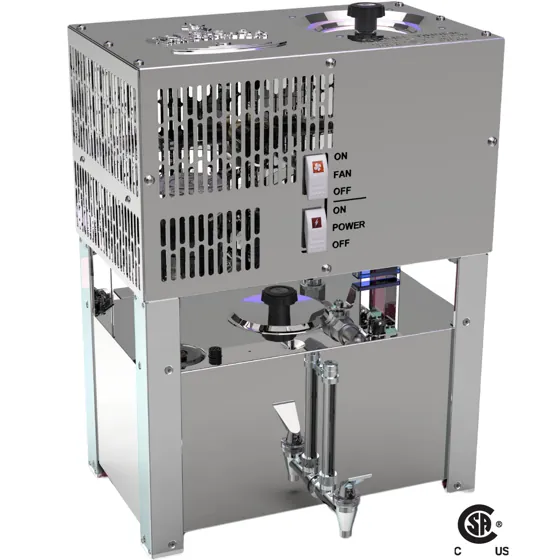
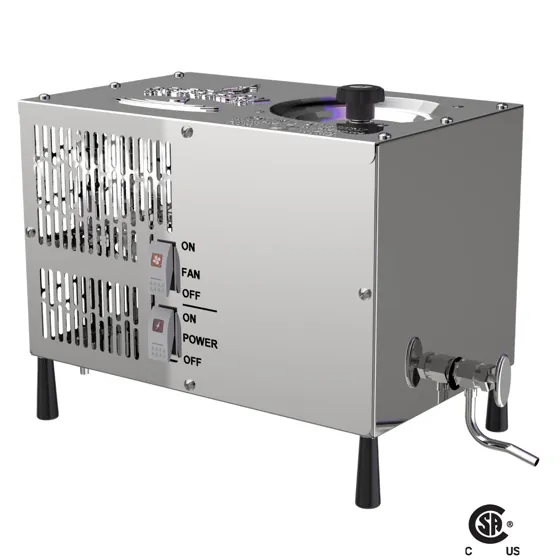
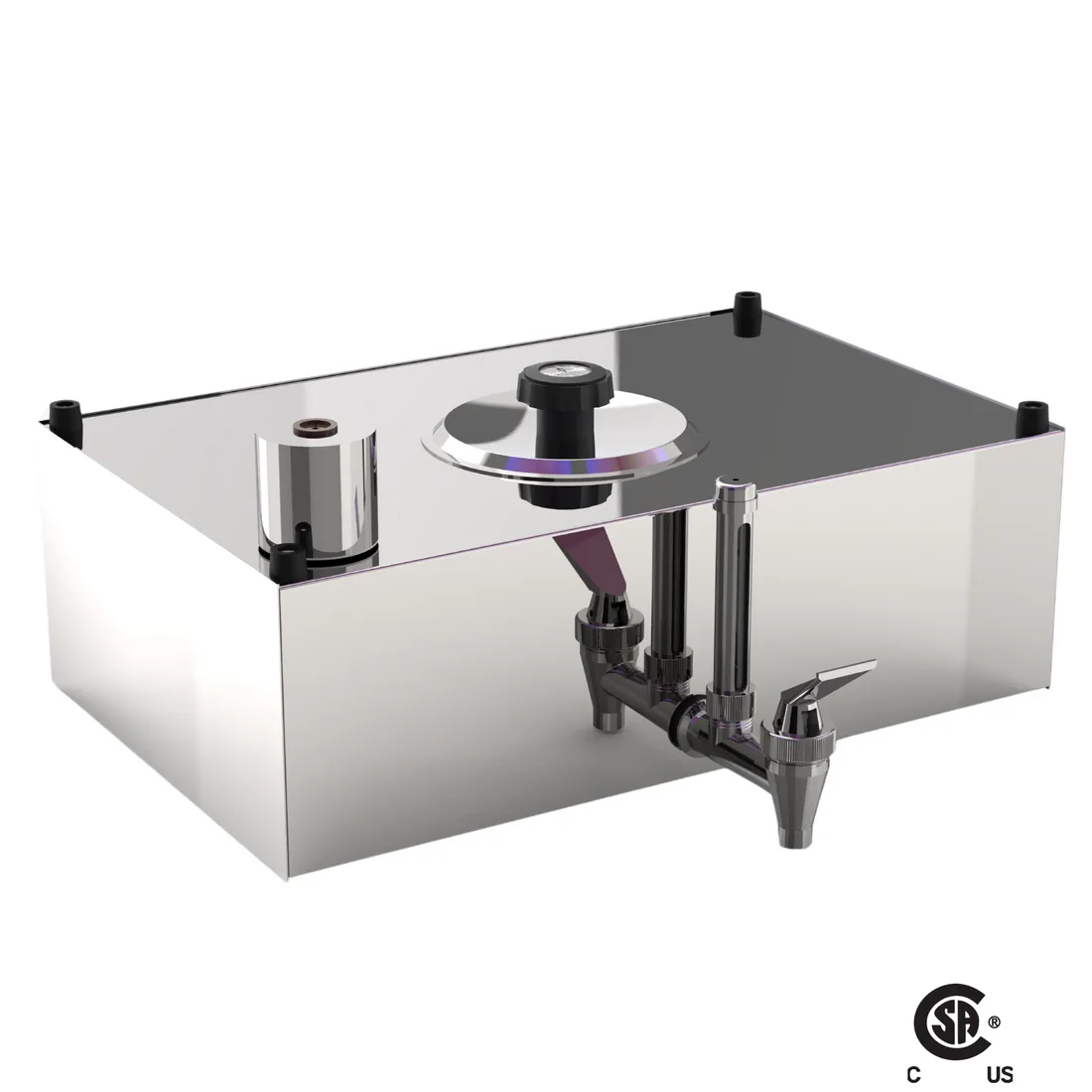
This is why every PWS distiller is stainless steel through the entire steam path — tank, dome and coil — while collection options include the stainless storage tank with charcoal canister for those who want zero plastic contact at any stage.
So when should you insist on glass or stainless collection?
- Long-term storage — if batches sit for days before use, glass or stainless preserves taste best.
- Laboratory or clinical use — labs typically standardise on glass or stainless for documentation simplicity.
- Personal preference — if plastic contact bothers you, eliminate it; the option exists and costs little more.
The distiller-shopping takeaway
Ask sellers what the condensing coil is made of — not what the jug is made of. Marketplace listings advertise "glass bottle included!" while staying silent about an aluminium coil in the steam path. That's backwards. The full checklist of what actually matters when buying is in our Malaysia distiller buyer's guide.
Want the zero-plastic setup?
Ask us about pairing any distiller with the stainless-steel storage tank — pure water that touches only steel and charcoal.
Ask on WhatsAppFrequently asked questions
Is a glass collection bottle better than plastic for distilled water?
Marginally, and mainly for taste and longevity. By the time water reaches the collection bottle it has already cooled well below boiling. What matters far more is what the STEAM touches — the boiling tank, dome and condensing coil should be stainless steel, because steam at 100°C is much more aggressive than warm water in a bottle.
Is plastic in a water distiller dangerous?
Food-grade plastic collection bottles are considered safe at the temperatures involved. The genuine engineering concern is plastic or aluminium in the steam path, where temperatures and reactivity are highest — which is why quality distillers use stainless steel there. Avoid fear-marketing in either direction: cheap units with plastic steam domes are worth avoiding; a plastic collection jug is not a health crisis.
What should distilled water be stored in long-term?
Glass or stainless steel is best for long-term storage, or food-grade HDPE for shorter periods. Keep containers sealed and out of sunlight. Distilled water is aggressive at dissolving what it touches over time, so inert materials preserve its taste best.